Industry Knowledge
Maximizing Production Uptime in Glass Processing Lines

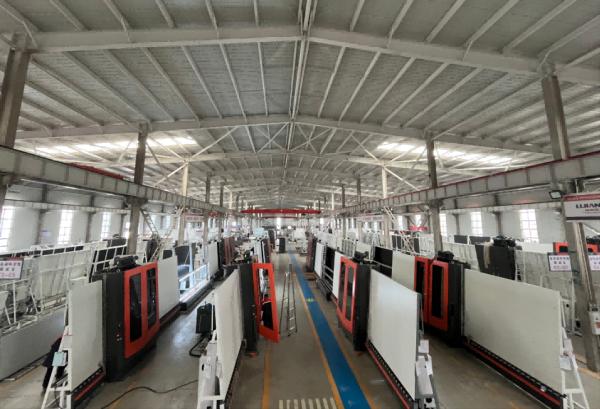
For glass manufacturers, investing in a glass processing production line is a long-term strategic decision. To maintain high efficiency and stable output, factories must ensure that their equipment operates with minimal downtime.
A reliable lifecycle strategy—including spare parts management, operator training, and machine upgrades —is essential for maintaining production efficiency and maximizing return on investment.
Below are three key factors that help glass factories maintain maximum uptime and operational stability .
1. Spare Parts Management: Ensuring Continuous Production
A typical glass processing production line may contain more than 1,000 mechanical and electrical components . Over time, certain parts will inevitably require replacement due to wear or operational stress.
The key concern for factory managers is simple:
-
Where can spare parts be sourced quickly?
-
How fast can they be delivered when production is affected?
Reliable spare parts availability is crucial for maintaining continuous glass production . Unexpected equipment downtime can lead to significant losses in productivity and revenue.
Best Practice
Always use original manufacturer spare parts to ensure proper fit, performance, and durability. Certified parts maintain the designed tolerances and operating conditions of your machinery, ensuring long-term reliability.
Spare Parts Planning Checklist
When managing a glass production line, manufacturers should consider:
-
Which components must be stocked on-site
-
Which parts can be delivered quickly by the supplier
-
What inventory level is required to prevent production interruption
Although reducing inventory may lower short-term costs, insufficient spare parts can lead to extended downtime and higher operational losses .
2. Operator Training and Automation
Historically, the performance of glass processing equipment has relied heavily on experienced machine operators. However, modern glass factories increasingly adopt automation and intelligent control systems to improve productivity.
With global labor shortages affecting manufacturing industries, automation has become an important competitive advantage.
Key considerations include:
-
How quickly can new employees be trained if staff changes occur
-
Whether operators can consistently achieve optimal production performance
-
The level of automation available within the equipment
Working with an experienced machinery supplier who offers technical training and after-sales support ensures that operators can manage equipment efficiently and safely.
Automation technologies—such as intelligent control systems and process monitoring—also help improve consistency, reduce human error, and maintain stable production quality.
3. Equipment Upgrades and Modernization
Glass processing machinery typically operates for 10 to 30 years , making it one of the most important long-term investments for a glass factory.
However, production requirements, technology standards, and environmental regulations continue to evolve. Upgrading existing equipment is often the most cost-effective way to improve performance without replacing an entire production line.
Common upgrade options may include:
-
Increasing production capacity
-
Improving automation systems
-
Enhancing energy efficiency
-
Meeting updated industry standards
A reliable machinery supplier should be able to provide modernization solutions that extend equipment lifespan while improving production efficiency.
Planning Before Purchasing Glass Machinery
Before investing in a new glass processing production line , manufacturers should develop a clear operational strategy.
Key Planning Steps
-
Establish a maintenance plan covering spare parts, workforce, and technical support
-
Confirm spare parts supply and delivery capabilities with the supplier
-
Stay informed about industry technology trends through technical resources and industry events
-
Evaluate future production expansion plans and their impact on equipment requirements
Careful planning helps glass factories achieve stable production and long-term operational efficiency .
Reliable Equipment for Modern Glass Factories
Modern glass manufacturing requires advanced machinery capable of delivering high efficiency, stability, and precision.
Companies like ** EastGlaz provide a wide range of glass processing machinery and complete production line solutions , including:
These solutions help glass manufacturers improve production efficiency, automation, and equipment reliability .
Conclusion
Maximizing production uptime requires more than purchasing high-quality machinery. A successful glass manufacturing operation must also focus on spare parts availability, operator expertise, and equipment modernization .
By combining reliable equipment with strong lifecycle management strategies, glass factories can achieve long-term productivity, consistent product quality, and sustainable profitability .