Industry Knowledge
Hybrid Glass-Concrete Pedestrian Bridge: A Real-World Case Study
Introduction
Traditional construction has long relied on concrete and steel. However, with increasing demand for sustainable, high-performance, and visually striking structures , hybrid materials are becoming a key direction in modern architecture.
Among them, glass-concrete (G2C) composite structures combine:
-
Transparency and durability of glass
-
Strength and stability of concrete
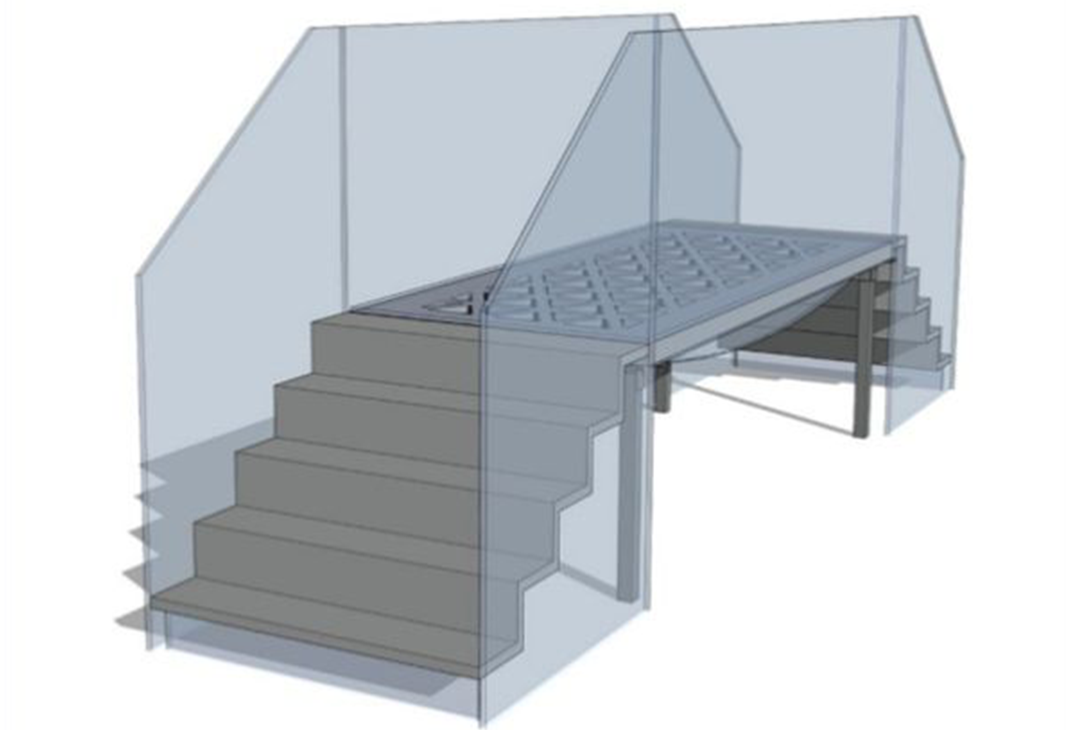
This case study presents a full-scale pedestrian bridge , showcased at Glasstec 2024, demonstrating the real-world application of glass-concrete bonding technology.
Project Overview
The bridge was developed as a demonstration structure to validate structural performance and architectural potential.
Key Specifications:
-
Length: 5.5 m
-
Width: 1.35 m
-
Height: 2.25 m
-
Modular design (3 sections for transport)
The structure was designed to be:
-
Transportable by truck
-
Easy to assemble & dismantle
-
Self-supporting without foundation
-
Safe for exhibition visitors
Structural Design Concept

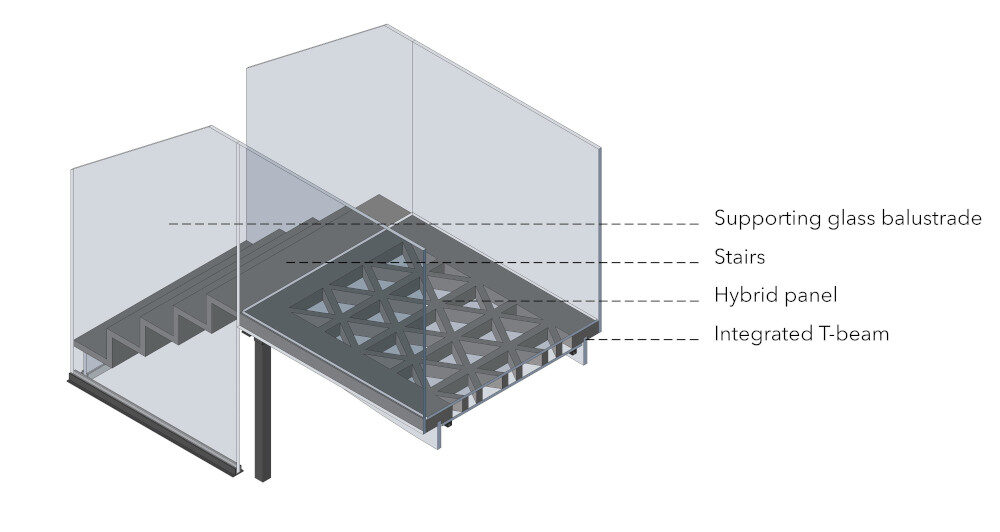

The bridge integrates multiple innovative applications of glass-concrete bonding:
1. Glass-Supported Stairs
Concrete steps are bonded to glass side panels, where glass contributes to structural support while maintaining a lightweight visual effect.
2. Hybrid Floor Panel
A central slab combines a concrete core with glass layers on both sides, improving stiffness while enhancing transparency.
3. Glass-Concrete T-Beams
Glass webs are integrated into concrete beams, optimized for load distribution and structural efficiency.
4. Glass Balustrade
Glass panels act as both safety barriers and structural reinforcement elements.
Materials Used

Glass
-
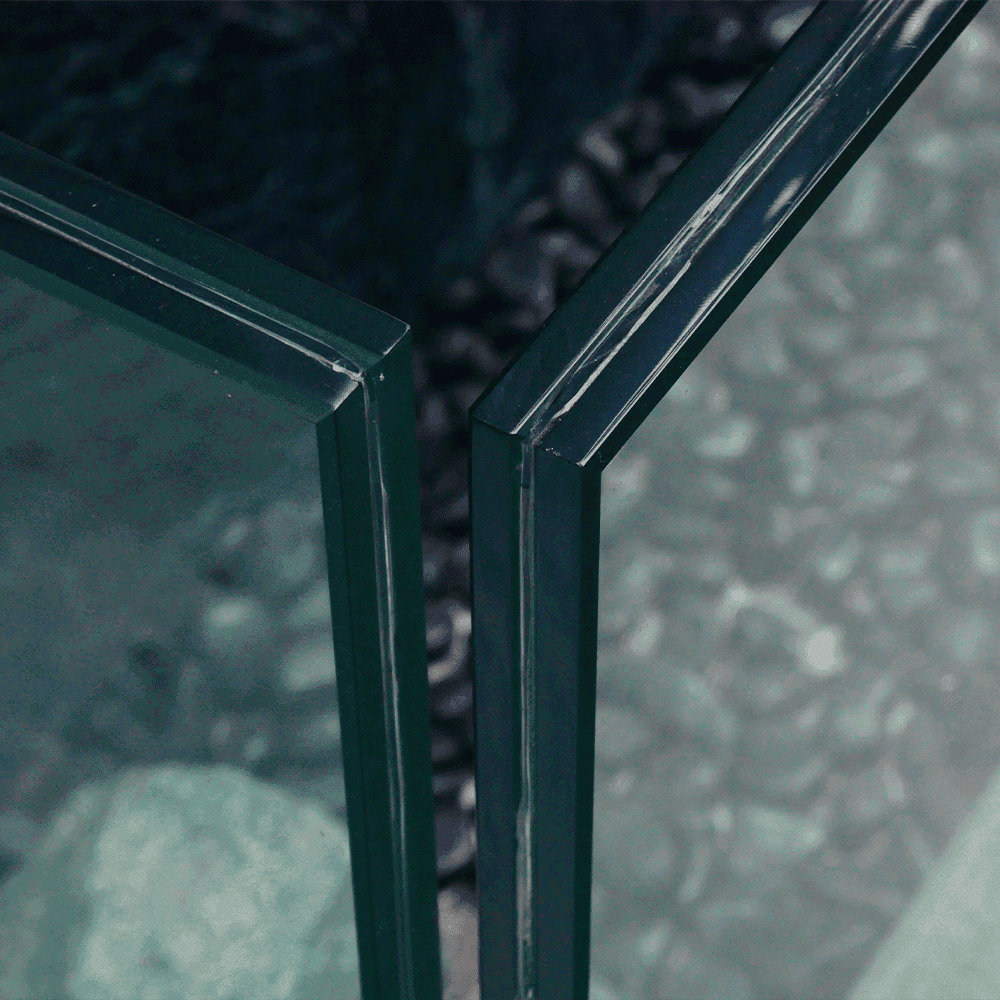
Tempered laminated glass (10+10 mm / 8+8 mm)
-
High strength, safety, and transparency
Concrete
-
C40/50 self-compacting concrete
-
UHPC (ultra-high performance concrete) for stairs
-
Steel fiber reinforcement improves tensile strength
Adhesive
-
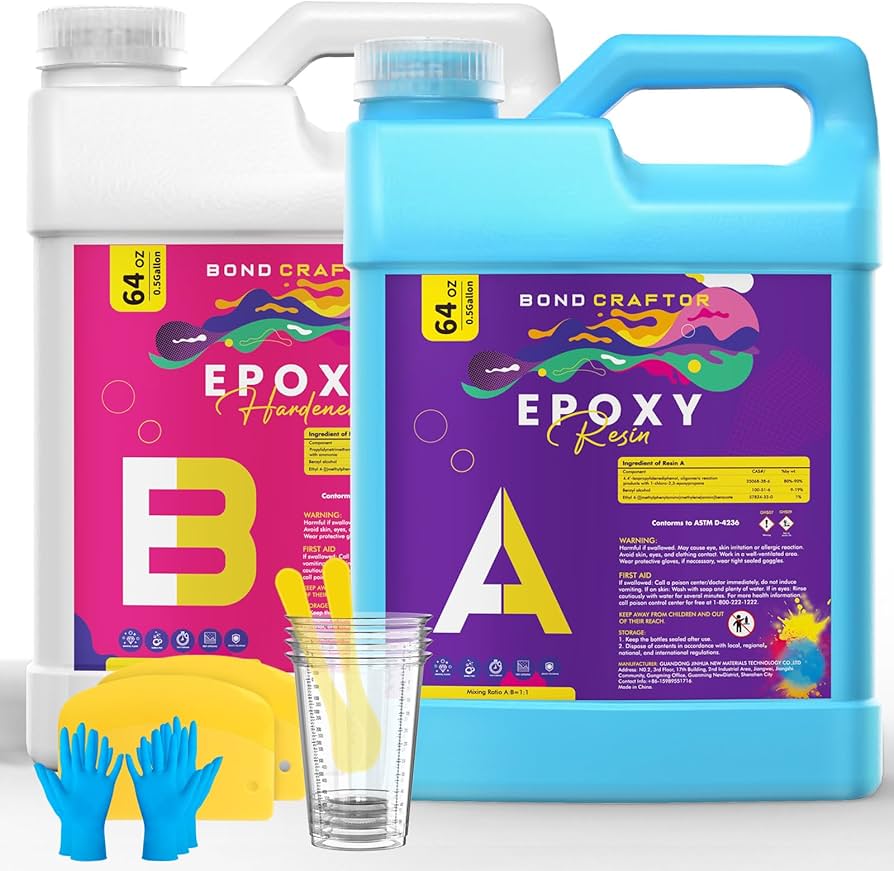
Transparent epoxy resin
-
Ensures strong bonding and visual clarity
Production & Assembly Highlights

Precision Concrete Casting
Custom molds were used to create openings, grooves, and structural interfaces.
Advanced Bonding Technology
-
Full-surface bonding
-
Point bonding for rough surfaces
-
Vertical injection bonding
These methods ensure uniform adhesion and load transfer .
This bonding process requires high-precision glass processing equipment, including glass cutting, washing, and lamination systems.
Transport & Installation


-
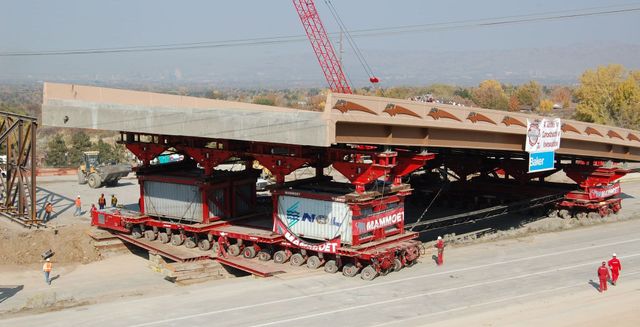
Structure is divided into 3 transportable modules
-
Protected with wooden frames during transport
-
Assembled on-site with steel base frames
This modular approach ensures efficient logistics and installation.
Key Challenges & Solutions
-
Handling bonded components
→ Future integration of lifting anchors recommended -
Tight tolerances
→ Improved design tolerances for easier assembly -
Adhesive leakage
→ Better surface preparation required -
Surface flatness issues
→ Critical for strong bonding performance
Conclusion
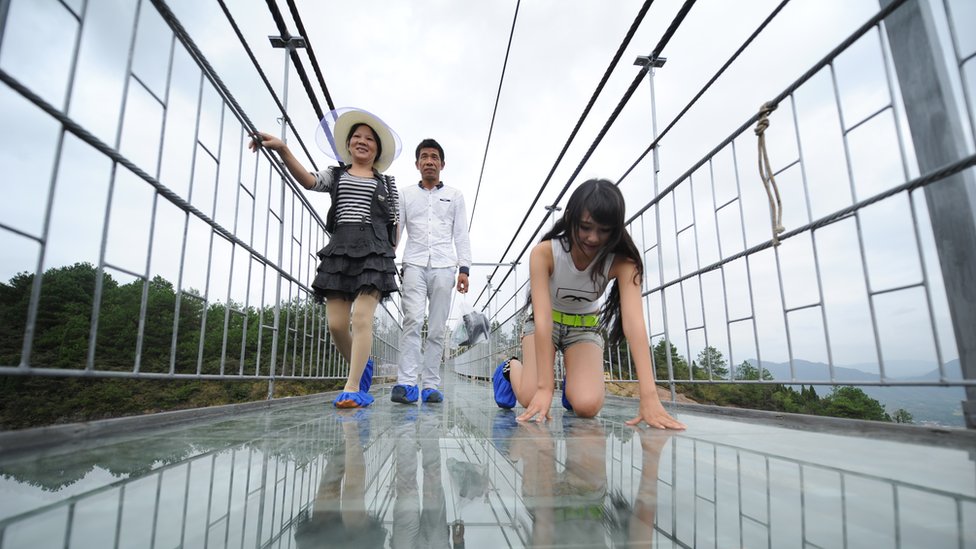
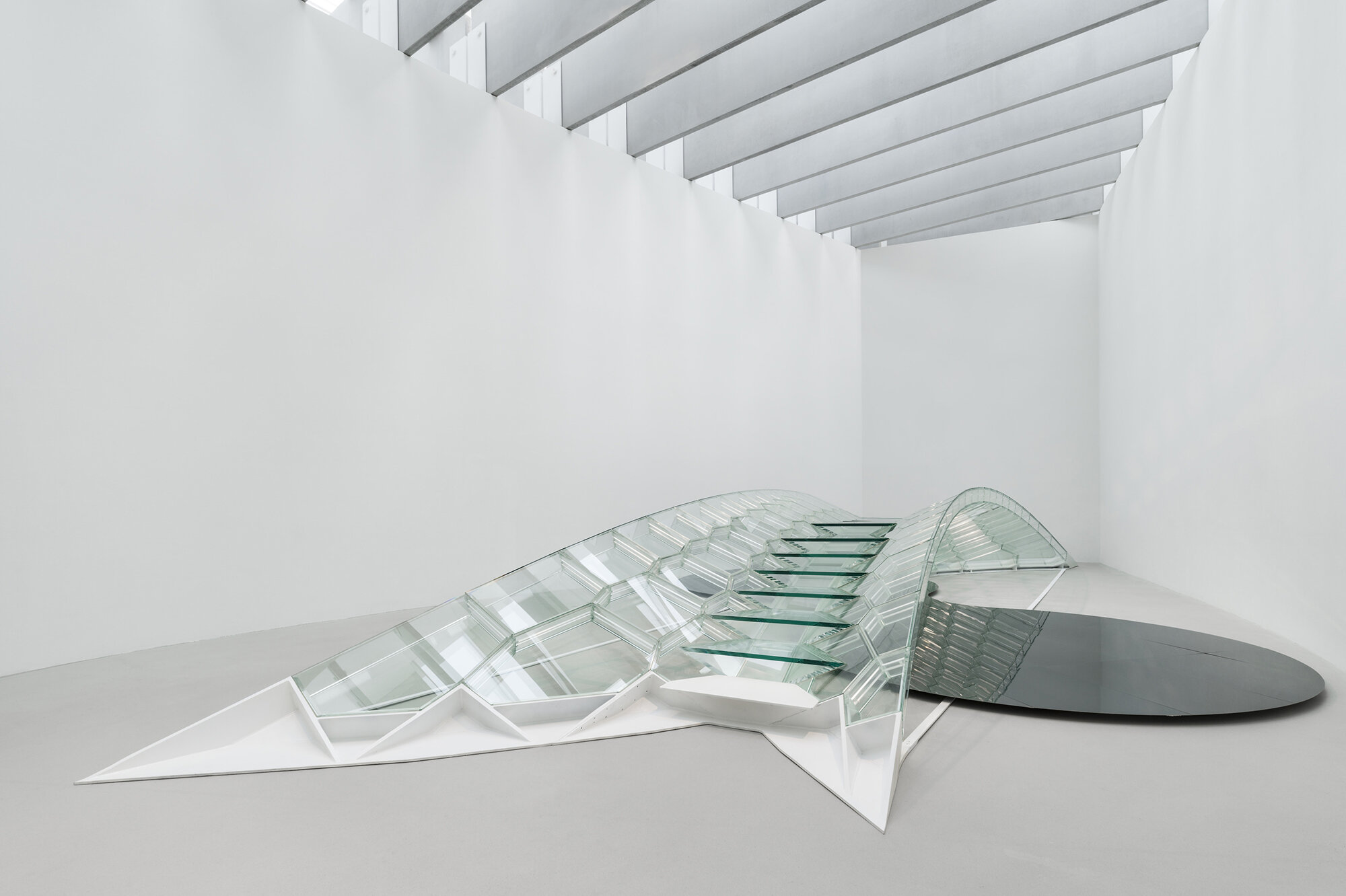

This project demonstrates that glass-concrete bonded structures are both technically feasible and commercially promising .
It highlights the potential for:
-
Transparent structural systems
-
Innovative architectural applications
-
High-performance hybrid construction
The successful showcase at Glasstec 2024 confirms strong industry interest in this technology.
Looking for Glass Processing Solutions?
At EASTGLAZ (LIJIANG Glass), we provide complete solutions for:
-
Glass cutting machines
-
Insulating glass production lines
-
Glass washing & drying machines
-
Laminated glass processing systems